
Archival research of AESOP congresses and publications
“If you want to look into the future, you have to look into the past – history – that is obvious.” (Kunzmann, 2022)
The motivation behind our work
The Association of European Schools of Planning (AESOP) was founded in Schloss Cappenberg in 1987 with the goal to foster scientific cooperation and exchange among European planning schools. Since then, AESOP has grown into a professional organization representing planning schools in Europe with over 150 members. As young scholars who are just familiarizing ourselves with AESOP and some of its activities, we were curious about AESOP’s history and how AESOP annual congresses have been organized as a venue to faciliate scientific discussion and exchange of ideas among planning scholars and practitioners.
As 2023 marks the 35th anniversary of AESOP’s birth, we began our archive work within the scope of the AESOP Memories Project as a way to understand the past, appreciate the present and look forward to the future of AESOP. Our team specifically looked for publications, photographs, and documentation of past AESOP congresses. While there are some difficulties in searching for these past records, the journey of collecting the past itself was memorable as we also collected many lessons for ourselves.
How the process begins
Our team consists of four members based in different countries all over Europe and Asia: Thu in Finland, Qingyuan in the UK, Fatima in Belgium, and Nadeesha in Sri Lanka. As there was no specific instructions or guidance on where and how to start, we started this work with an open mindset: developed a list of tasks, divided the workload among ourselves, contacting senior scholars and students from institutions that hosted previous AESOP congresses for help in collecting and scanning documents. At first, we thought of developing one archive for AESOP Memories Project, but later, we decided to synchronize what we found with AESOP’s own repository to make it more efficient. As such, we organized all documents in our storage space to share with AESOP Repository Manager, Ljiljana Radisavljevic. Throughout this process, we also would like to thank the Chair of AESOP Young Academic, Sila Ceren Varis, who helped connecting our team with many senior scholars and students within the AESOP network.
Our reflections on archival research
Below is our reflection of the archival research experience, in chronological order of the congresses that each of us took charge of researching.
Qingyuan Guo – Researching the first 10 years of AESOP congresses from 1987 - 1996
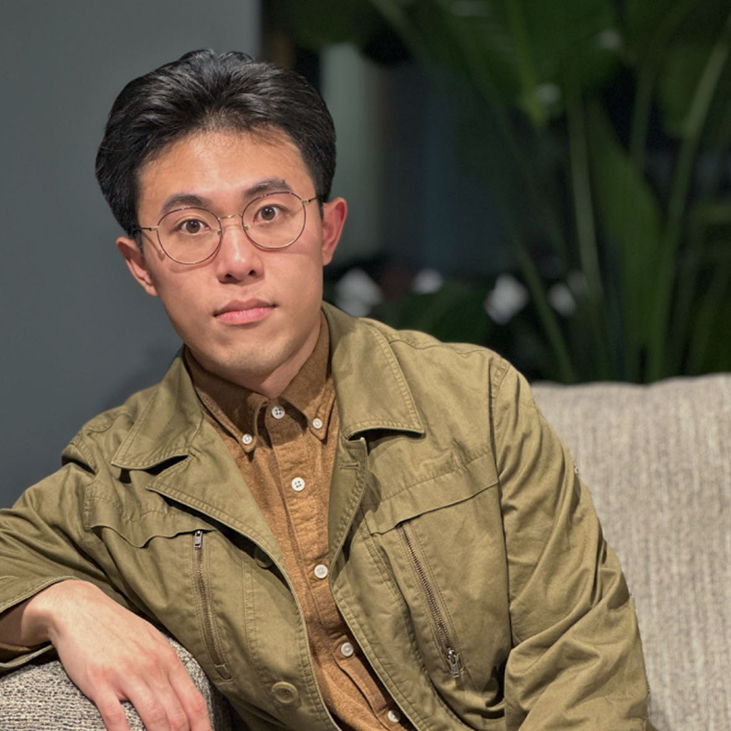
Gathering the records of the AESOP congresses was an unforgettable journey, particularly in piecing together the materials from the initial decade. Regrettably, all original documents have been lost, most original host institutions underwent restructuring, and the collection of second-hand information often undergone trivial paths. Four primary sources emerged in this search. The first two are more traditional, included isolated conference papers preserved in library archives and commemorative reflections published in journals or blogs. The latter two sources offered intriguing insights: the CVs of academics who participated in these conferences provided detailed accounts (It seems that there are obviously more incentives for individuals to enrich their profile compared to institutions’ will to collect their own history). The other is the archives of the Planning History Bulletin from the International Planning History Society (IPHS) proved invaluable, especially as the early years of AESOP coincided with the formative period of IPHS and the study of planning history, with the bulletin actively promoting information of AESOP congresses and encouraging member participation.
The process of reaching out to the original organizers proved to be a melancholic experience, especially upon discovering that some of them could respond. The melancholy deepened when Professor Klaus Kunzmann and Professor Andreas Faludi suggested that all original copies of the very first conferences were lost. Kunzmann's analogy, stating that "Like the Titanic, the AESOP flagship is buried in the Ocean of lost memories," resonated deeply. This experience underscored a vital lesson: academic institutions must not only strive to explore intellectual frontiers but also to preserve their historical memory and records. Events that may seem minor at the moment might turn out to be precious memories decades later. I am sincerely grateful for the support from Professors Kunzmann and Faludi, among many others, during these archival collection efforts.
Fatima Zehra Akman – Delving into the next 10 years of AESOP congresses from 1997 - 2006
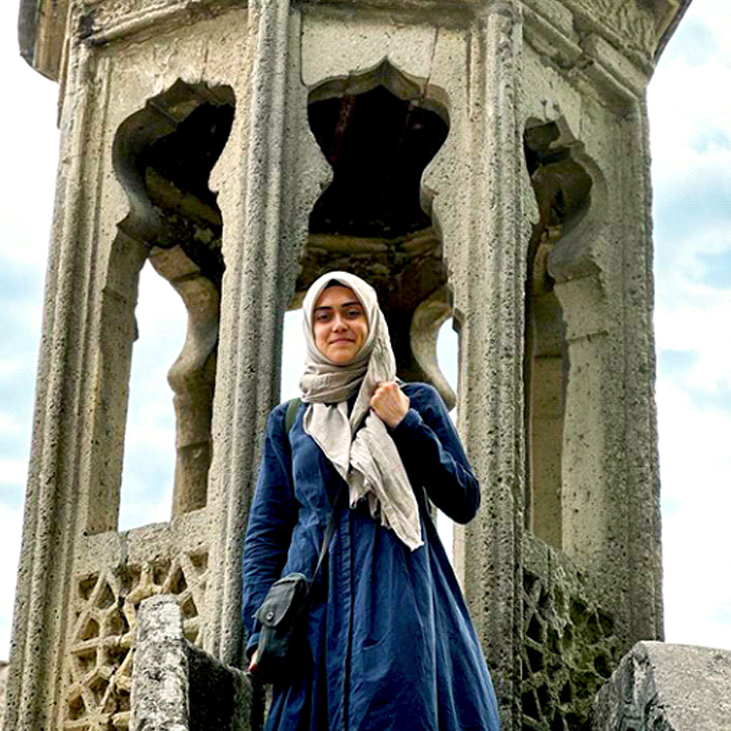
The Memories Project is stimulating experience to me while archiving to keep in our mind from unique experiences of Scholars.
Me and my colleagues from AESOP Memories project especially focusing on the repository and archiving. We have been working on contacting scholars and young academics for collecting materials from previous AESOP events, mainly congresses. Reviving memories and adding new memories that will respond to the present and the future is one of the exciting nuances for me.
Since I have been a member of this project, I am able to participate in international and universal studies in my urbanist life with a broader perspective. Lastly its approach of transferring the bridge of academic research into practical exercises, and its rich and diverse culture have been few of the most promising factors for me to explore and experience international exposure in my field. I am looking forward to contributing new memories with The AESOP Memories Project which enables me to deepen my knowledge on the subjects.
Trying to reach the archives of different institutes or universities from past to present to reach the Congress Archives was exciting for me, like an archaeological excavation where I set out on a journey with the curiosity of what I could discover. Since most of the invited seniors or organizers from the same institutes to reach the archives 20 years ago are retired, trying to contact the new members of the Young Academy, who are at the same institutes and who could be ministerial in accessing the archives, was as chill as trying to put together the puzzle pieces of a big picture. In addition, even though we cannot access any documents for some congresses chronologically, being aware of these chain studies in the name of Planning, seeing how studies have been carried out in the name of Planning from past to present, what topics were discussed and noticing the congress titles based on the conditions and agenda at that time were steps as a following the breadcrumbs that broadened my perspective. Seeing the young academics' help in contacting the professors for the archive and their eager and enthusiastic help and contributions to revive memories for both the academics and the professors reminded me of how important the meaning of this project played. I am looking forward to holding a branch of a strong tree that is still standing and whose roots come from very deep past, to add new ones to the memories we have just raising, and to accumulate more memories.
Pham Nguyen Anh Thu – Collecting records of AESOP congresses from 2007 - 2023
If archives act as a bridge between the past, present and future, the archival research process connects us as a team and displays our strong collaboration and support to each other in the work. At first, I was extremely worried as I was the only one signing up for archival research and the amount of work seemed enormous. But Qingyuan, Fatima and Nadeesha soon joined me when Ceren and I asked for a helping hand. The workload was then divided among us to contact professors and students in different institutions that hosted AESOP congresses.
We tried to find as many contacts as possible while keeping in mind that some emails may no longer be active. As many emails were sent but not replied, we were faced with a gloomy prospect of not being able to complete this work. Some professors and students responded to us, but they have either left schools or no longer kept any records of past congresses. Our team kept encouraging each other and thought of possible strategies to encounter this, such as searching for digital copies of the congresses’ documentations. Fortunately, we were put in touch with Professor Alex Deffner, who shared with us many materials from past congresses starting from 2002. Compared to Qingyuan and Fatima, I was a bit luckier as many AESOP congresses from 2007 already have digital records of the program books, books of abstracts and proceedings.
Throughout this process, I learned to appreciate how meaningful it is to collect records of the past and how wonderful our collective efforts in doing this task can be. While we are based in different countries and are at different stages of our career, our spirits and efforts are united whenever it comes to collecting memories of AESOP. I am grateful for being able to work with such a dedicated team.
Nadeesha Lakshani Lankadhikara – Collecting publications associated with AESOP
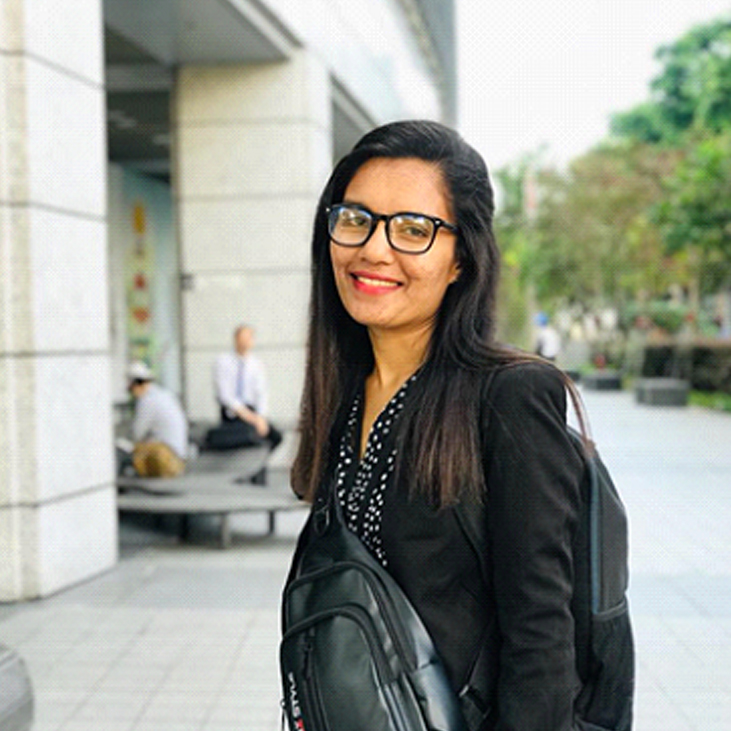
As an urban planner from an Asian context, it is indeed a privilege for me to have joined AESOP and gained exposure to European urban planning perspectives through the opportunity provided by the AESOP Young Academic Network. The task of finding and compiling research publications by esteemed AESOP members from the past was truly a remarkable opportunity for me. As a junior urban planner still new to the field, I saw this task as a means to enhance and refine my knowledge and capabilities in urban planning and related research studies.
I am immensely grateful to the AESOP Young Academic team for entrusting me with this task and allowing me to become a member of their remarkable group. Through this endeavor, I have gained valuable insights into the research and publications of past AESOP members, delving into their perspectives on urban planning and related topics. For instance, I was able to categorize the collected publications into 10 main categories, including Urban Design and Architecture, Sustainable Development, Transportation Planning, Community Engagement and Social Inclusion, Urban Policy and Governance, Technological Innovations in Urban Planning, Historical Perspectives in Urban Planning, Economic Development and Urbanization, Planning Concepts & Theories, and Global Perspectives.
Moreover, I had the opportunity to explore some outstanding research works and publications by past AESOP members. Among them, the works of Patsy Healey, Andrea Frank, Andreas Faludi, and Rachelle Alterman stood out to me. Their research has piqued my interest in urban planning theories, concepts, policies, regulations, as well as the diverse planning schools in Europe and their perspectives on AESOP and urban planning.
I am honored to be part of this incredible journey with the AESOP young planners network, and I consider it a great opportunity and privilege to contribute to the Memory project.
List of AESOP Congresses
View PDF Download 20Congresses
